 The Roma Pass
The Roma Pass, Explained
The Roma Pass is the most misunderstood city card in Europe. Most visitors assume it covers the Vatican (it does not). They believe entry to the Colosseum is instant (it is not). And they think it saves money on a short trip (for most travellers, it does not). I spent four years explaining this at a museum ticket desk near Piazza Venezia. Here’s what the pass actually does, who it suits, and when you’re better off buying single tickets.
What the Roma Pass actually is
The Roma Pass is the official 48– or 72–hour city card sold by Roma Capitale. The 72–hour version (most people’s choice) gives you free entry to your first two sites in a participating museum network, discounts at 20–plus others, and unlimited public transport — metro lines A, B, and C, all buses, trams, and urban trains. Activation starts the moment you use it: tap a bus card reader or walk into a museum. From that moment, you have 72 consecutive hours.
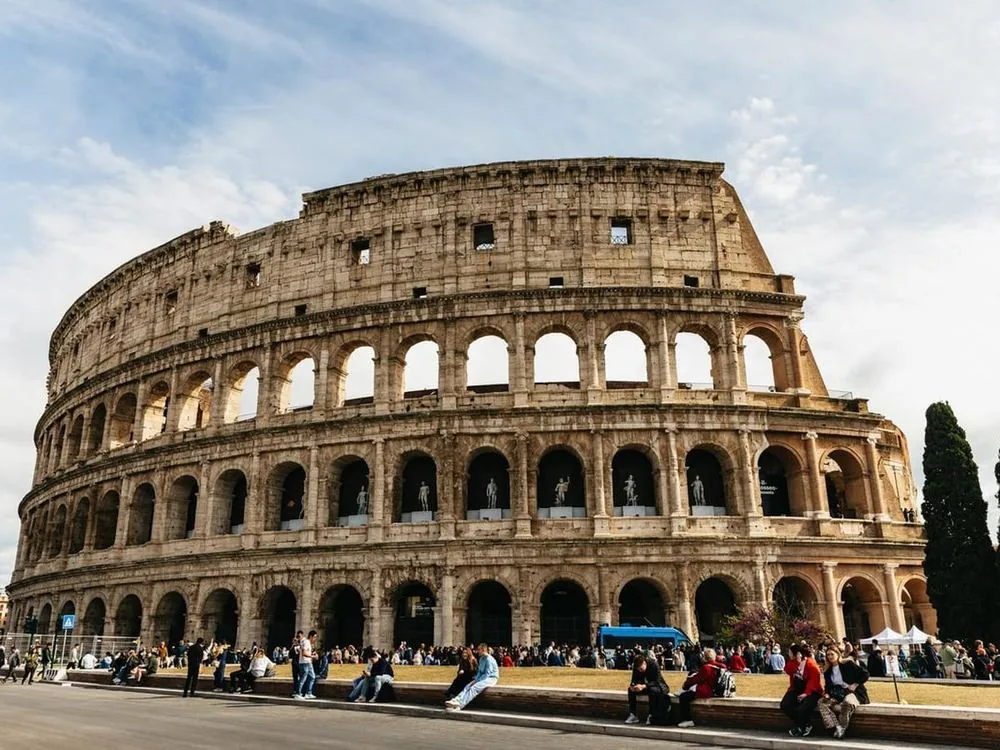
What it does not do is explain itself clearly. The official Roma Capitale website lists 40–plus participating museums. The Vatican is not one of them. The Pantheon is not. St Peter’s dome is not. When you arrive at the Colosseum with a Roma Pass in hand, you will still need a timed-slot reservation — the pass doesn’t skip that step. You cannot walk straight in.
The Vatican trap
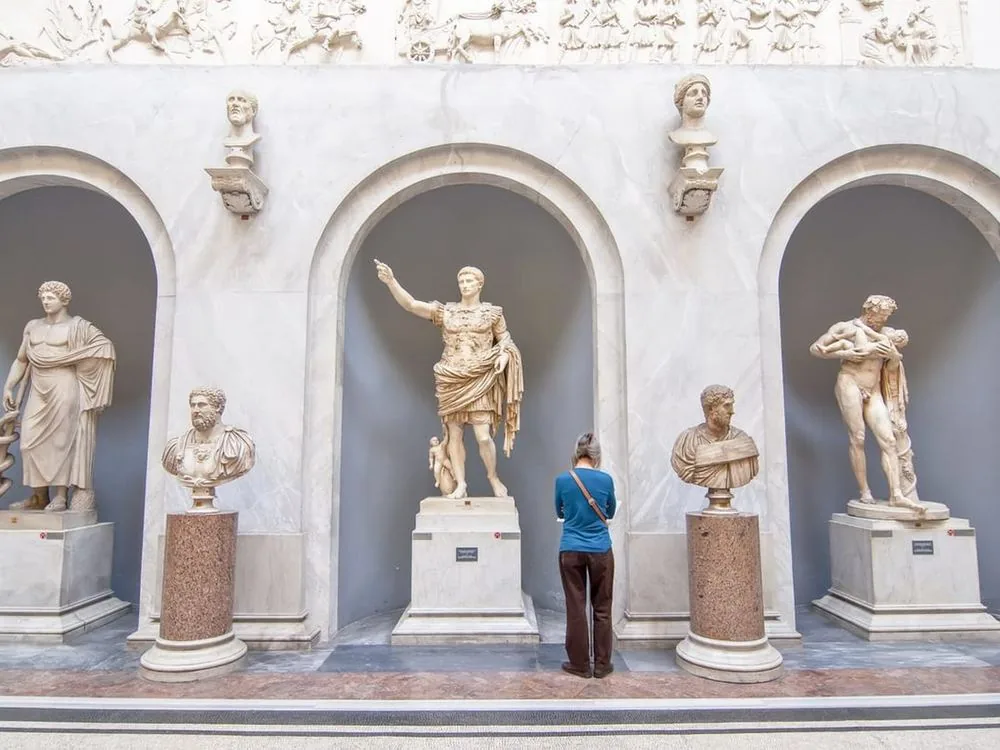
This is where most confusion starts. The Vatican — the Vatican Museums, the Sistine Chapel, St Peter’s Basilica — is not part of Rome. It is a separate country, about one square kilometre inside Rome’s borders. The Roma Capitale network does not reach it. If you arrive in Rome planning to see the Sistine Chapel and believe your Roma Pass covers it, you will discover at the museum gate that you need a separate €32 ticket and a new timed-entry slot. The OMNIA pass is the card that bundles Vatican + Roma Pass benefits together; it costs €134. Most travellers don’t know it exists.
The Colosseum catch
The Roma Pass covers entry to the Colosseum. What it does not cover is the timed-slot reservation you must book in advance. Rome’s official ticketing system requires a specific time window — afternoon slots are often quieter and have shorter queues in reality than morning slots. In high season (April–September), slots for the top-rated times sell out three to five days ahead. A Roma Pass holder can still face “sorry, no availability” just like someone buying a single ticket. The difference is your pass gave you free or discounted entry to one other museum on the same day.
When a Roma Pass wins: the three-plus-day museum crawler
The card makes sense for one specific traveller: someone staying three or more days in Rome, planning to visit at least three museums in the participating network, and using public transport to move between them. A typical winning scenario: Day 1, Colosseum & Forum (Palatine Hill is the same entry, counts as your free first museum). Day 2, Capitoline Museums or Castel Sant’Angelo (your free second museum). Day 3, Borghese Gallery or another site on the list (now at discount). Plus metro use every day beats car rental or daily taxis. If that’s your trip, €40 for the 72–hour pass is sensible.
When single tickets beat every pass
This is most two–day visitors. Here’s the arithmetic: Colosseum ticket €26. Vatican ticket €32. Total: €58. That’s less than the €40 Roma Pass and the €80 Essentials bundle, and you cover the two things people actually came to Rome to see. Metro rides cost €1.50 each; you’d need 10–plus rides to justify the transport component of any pass. Most tourists walk the centre.
The Rome City Pass (€139, a third-party bundle by Turbopass) includes Colosseum, Vatican, and transport — but costs roughly triple the single-ticket route. It wins only if you’re doing 3+ days of museum-hopping and hate juggling two tickets at once.
The two-ticket strategy
Buy the Vatican Museums & Sistine Chapel ticket (€32) as soon as you book your Rome trip. It’s the single most-reviewed product on GetYourGuide (€32, 4.5 stars from 153,000 reviews). Book a timed slot before you land — they fill fastest in April–September. Then, when you arrive in Rome, buy a Colosseum ticket (€26) on-the-fly or in advance. Together, two tickets cost less than any pass, cover the two things you came for, and eliminate the guesswork of whether a pass is worth it. No timed-slot confusion. No app friction. No Vatican disappointment.
The truth about the official Roma Pass rating
The Roma Pass on GetYourGuide is rated 2.7 from 34 reviews. That’s startlingly low for a city-run official product. Real complaints center on app friction — the card is digital, housed in a mobile app, and reviewers report voucher-activation failures and sync delays. One traveller bought twice because the first voucher didn’t transfer into the app. Another noted the card idea is sound; the execution frustrates people. If you buy a Roma Pass, download the official Roma Capitale app before landing and test it at home.
The bottom line
First-time visitors and most 2–day trips: buy two single tickets (Colosseum + Vatican) and call it done. You’ll spend €58, cover the two headline sights, and skip the pass confusion. Stay longer than three days, love museums, and plan to move by metro? The official Roma Pass (€40, 72h) or OMNIA if you want Vatican in one card. Arriving with zero research: the new Essentials bundle (€80) bundles Colosseum + Vatican + ancient Rome sites — no transport, no reviews yet, but simpler than juggling six passes. Whatever you pick, book your Colosseum timed slot days in advance and expect a queue even with a pass. That’s Rome.
Ready to book?
If a pass suits your trip, book it with instant confirmation and free cancellation through GetYourGuide. If you would rather buy two single tickets, the Colosseum and Vatican links below are the ones most visitors actually need.
Frequently asked questions
Does the Roma Pass include the Vatican?
No. The Vatican is a separate state and the Vatican Museums and Sistine Chapel are never included in the Roma Pass. You need a separate Vatican ticket, or the OMNIA pass, for those.
Is the Roma Pass worth it for two days?
Usually not. For a classic two-day Colosseum-and-Vatican trip, two single tickets are cheaper than the 48-hour pass. The pass pays off mainly if you visit several state museums and use transport heavily.
Do I still need to book the Colosseum with a Roma Pass?
Yes. The pass covers entry, but the Colosseum requires a timed-entry reservation and those free-with-pass slots sell out days ahead, especially in summer.