 The Roma Pass
Is the Roma Pass Worth It?
The core issue
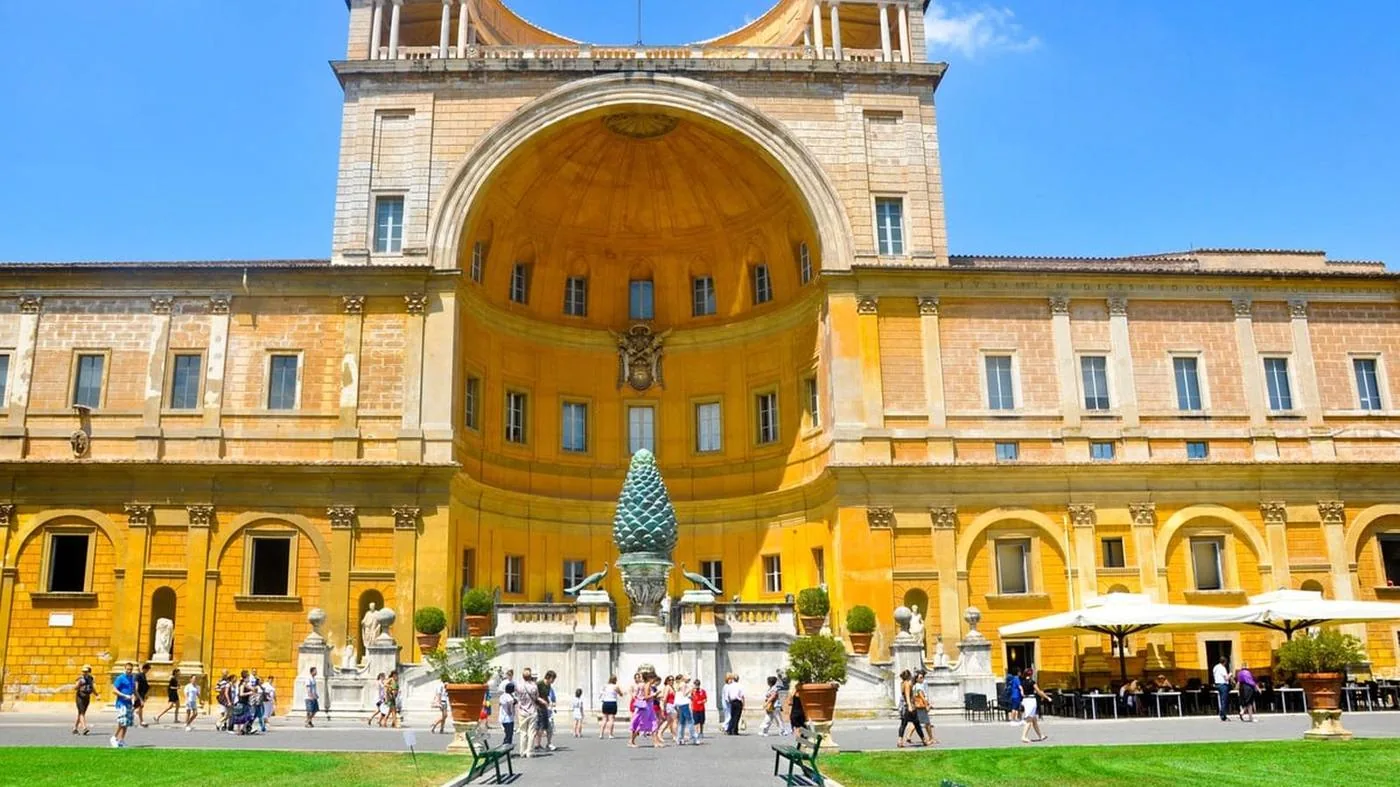
The Roma Pass is often misunderstood. Visitors assume it is like a London Oyster card or a Paris Museum Pass — one ticket that covers all the big attractions. It does not. The pass covers only the city-run museum network: the Colosseum, Roman Forum, Palatine Hill (counted as one entry), Castel Sant’Angelo, Borghese, Capitoline Museums, and about a dozen smaller sites. It does NOT include the Vatican Museums, Sistine Chapel, or St Peter’s — the Vatican is a separate state entirely, not part of the Roma Capitale network.
See what the pass does and does not include.
When the math works
The 72-hour Roma Pass costs €62.90. You get free entry to your first two sites, then discounts on others. To break even, you need to visit two paying sites from the network. If your plan is Colosseum + Castel Sant’Angelo + transport across three days, the pass makes sense. If you are arriving for two days and want to see the Colosseum and walk to the Pantheon, Trevi, and Piazza Navona (all free or free-entry churches), the pass is wasted. You would pay €62.90 for one free entry (the Colosseum) and never use the second.
What reviewers on Tiqets actually say
The pass is rated 4.1 from 1,569 reviews — a decent score, but the recurring complaints are worth taking seriously. Common complaints: the app is not straightforward, some vouchers have failed to activate, and visitors felt they did not use enough of it to justify the cost. One traveller noted the centre of Rome is small enough to walk, so the transport benefit evaporated. Another praised it as “a bargain” but only after booking Colosseum and Forum slots in advance. That pattern holds: people who planned the itinerary first and bought the pass second found it useful. People who bought the pass hoping it would cover everything got frustrated.
The honest verdict
The Roma Pass makes sense if you are a transit-heavy visitor with 3+ days and a list of state museums to tick off. For the classic 2-day visitor (Colosseum €25, Vatican €42), two single tickets total €67 — less than the pass, no app friction, and you get exactly what you came for. For the 3-day heavy sightseer, a third-party bundle like the Rome Tourist Card or OMNIA often bundles transport, Vatican, and multiple sites into one transaction, sidestepping the app entirely.
Know what you want to see before you buy a pass. If it is just the Colosseum and Vatican, single tickets are cheaper. If it is Colosseum, Forum, Borghese, and metro rides, then the 72-hour pass may save money.
Check Roma Pass availability and details
See current pricing and book the official Roma Pass through Tiqets. Skim the reviews first — app friction is the recurring theme.
Frequently asked questions
Is the Roma Pass worth it for a 2-day trip?
Not usually. The Colosseum costs €25 and the Vatican €42, totalling €67 for the two things most visitors came for. The 72-hour Roma Pass is €62.90 but does not include the Vatican, so you would still pay for it separately (€42) for a total of €72. Two single tickets are cheaper. See the full breakdown.
What does the Roma Pass actually cover?
The city-run network: Colosseum, Forum, Palatine Hill (one combined ticket), Castel Sant’Angelo, Borghese, Capitoline Museums, and about a dozen smaller sites. It includes unlimited metro, bus, and tram within Rome. It does NOT include the Vatican, Sistine Chapel, or St Peter’s dome. See the full list.
What do Roma Pass reviewers complain about on Tiqets?
Behind the 4.1 rating from 1,569 reviews sit recurring problems: the app is not intuitive, some vouchers have failed to activate into the pass app, and many visitors felt they did not use enough of it to justify the €62.90 cost. Travellers who arrived with a plan (Colosseum + two other museums) rated it higher than those who expected it to be all-inclusive. See the detailed review.